When Naira Marley sang, “𝑶𝒘𝒐 𝒘𝒂 𝒍’𝑬𝒌𝒐, 𝒂𝒘𝒐𝒏 𝒌𝒂𝒏 𝒘𝒂 𝒐𝒌𝒂𝒚…”, most people danced to the rhythm without truly understanding the weight behind the words. Many heard only a street anthem.
But hidden inside that line is a Lagos truth, one that can only be understood by those who have lived, breathed, and explored the city beyond the surface.
Lagos, my Lagos, our Lagos, is easily the most beautiful city in Nigeria. But this is not a beauty that reveals itself to the casual visitor.
Lagos is not a city you judge from a car window. You must meet her properly. You must experience her in the morning, when the sun rises over her restless skyline. You must feel her at night, when the lights come alive and the city becomes a theatre of ambition, romance, hustle, and hope.
Only those who have explored Lagos day and night can say unequivocally, this city is truly unmatched.
Yet, there is one Lagos that many have never seen. The Lagos of the water. The waterways of Lagos remain one of the state’s most underexplored treasures. For now, it is mostly the rich and the famous who enjoy it, quietly, luxuriously, almost like a secret club. But Lagos is bigger than exclusivity.
Lagos is a story that deserves to be shared.
When I set out to go on a day cruise to photograph seascapes around Lagos, I did not fully understand what I was walking into. Even though I have been on these waters many times, this trip was different. It was Lagos, familiar Lagos, but seen from a new angle. A fresh perspective. A new revelation.
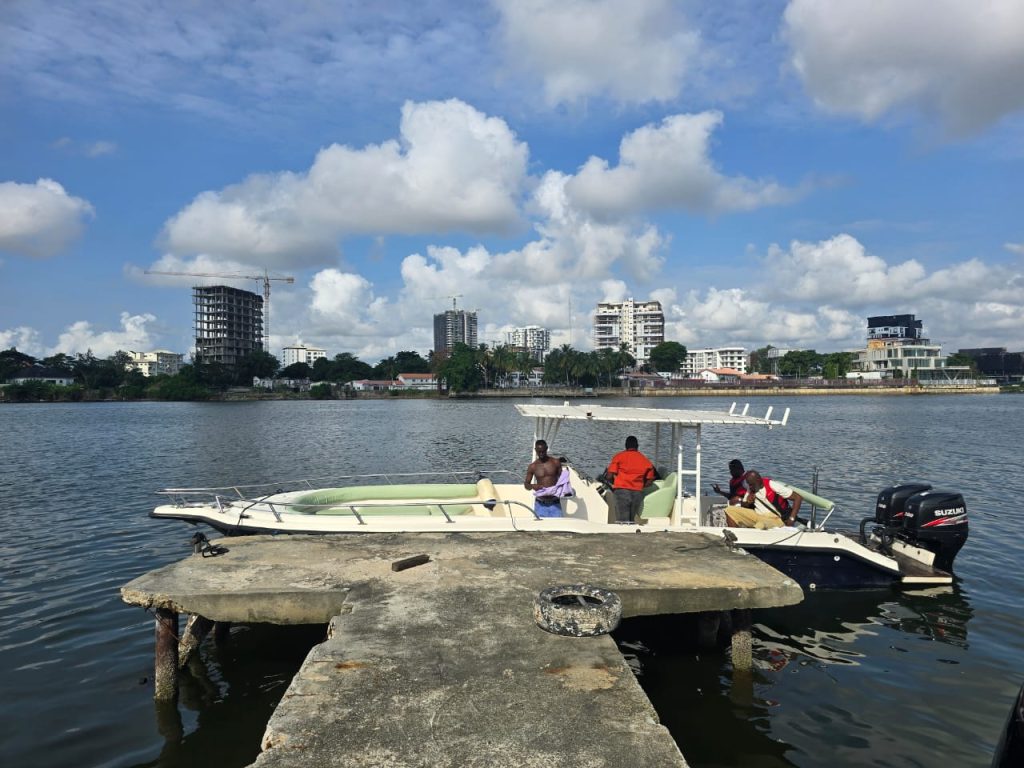
Getting to Rock The Boat Jetty in Lekki, where you have several boat jetties operating side by side, was an eye-opener. It felt like stepping into a hidden Lagos economy, one built on leisure, movement, lifestyle, and the quiet confidence of those who understand the city beyond traffic and noise.
And once again, I was reminded of the importance of community, the blessing of having a strong network, trusted people, what I call the Kashogis, those reliable ones you can call at any time of day and they will show up.
A brother of mine, whose name I will not mention, had been ready for this moment long before it arrived. I told him about the trip almost two months ago. With just one phone call, he said, “’dayo Baba, no worries.” He gave me his captain’s number, and from there, the rest became history.
I didn’t want to be on the boat alone, so I invited two of my buddies. They are true water babies, men who belong to elite boat clubs in Lagos and understand the culture of the sea.
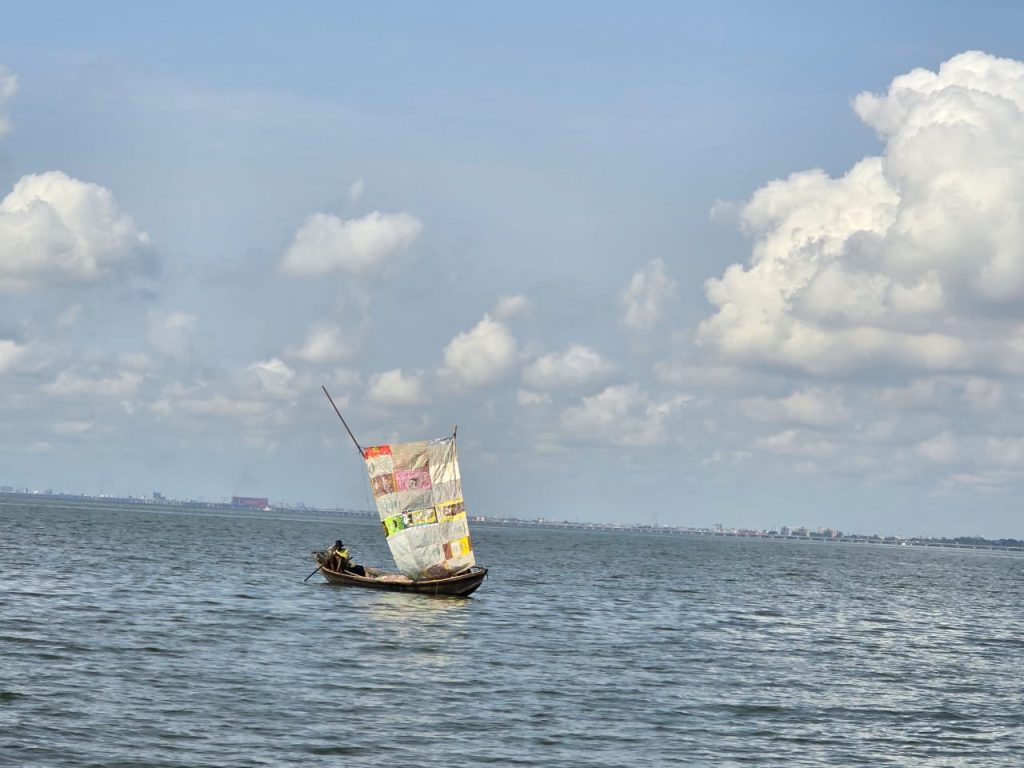
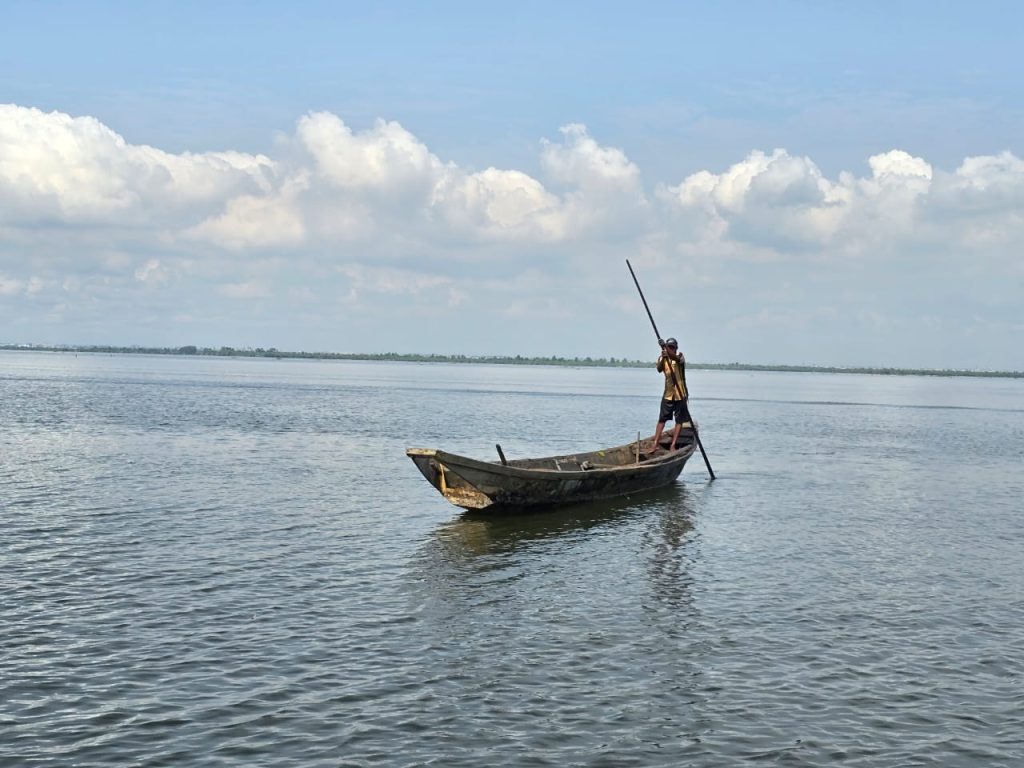
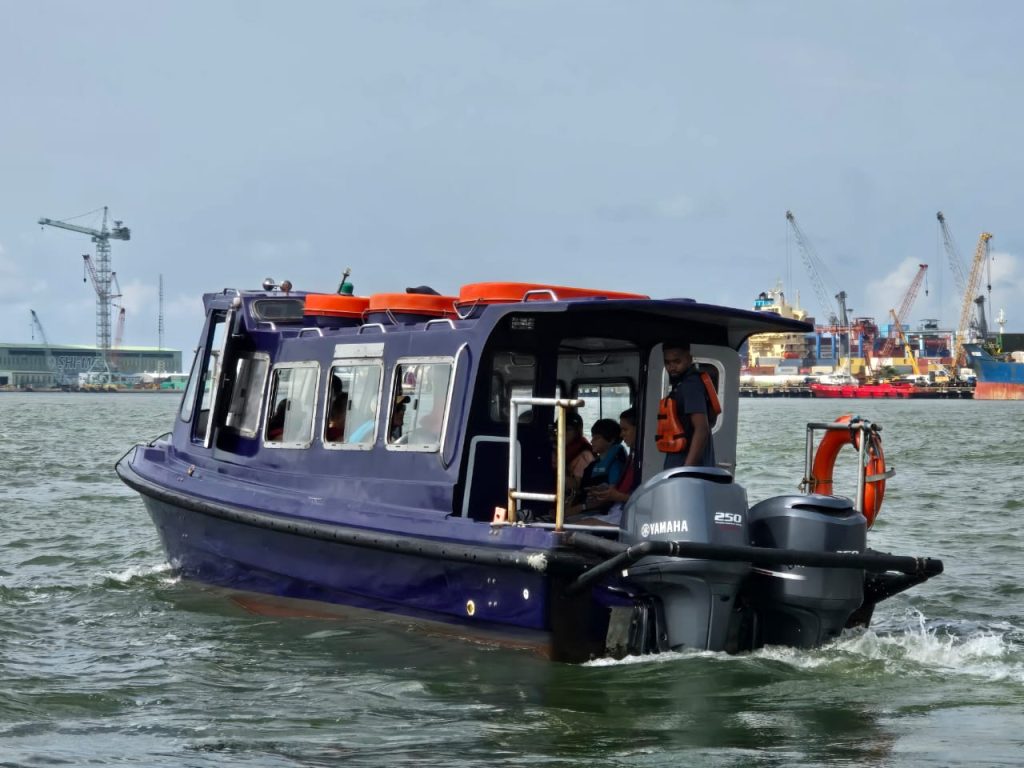
We sailed off just before the Lagos sun fully came alive, heading towards Ikorodu. And as the boat cut through the water, I found myself asking, why don’t we do this more often?
Why do we not treat this water as part of our everyday Lagos experience?
From the horizon, Ikorodu looked distant and almost foreign, like the way I once looked at Cuba from a cruise ship sailing out of the United States. Lagos has a way of surprising you. Even the places you think you know can suddenly appear like a new country when you approach them from the water.
By the time we passed Ofin and arrived at the main jetty in Ikorodu, I could not help but wonder: How can we have sunshine almost 24/7, water everywhere, and still be shouting “no money”?
It is time we tap into this marine lifestyle, not only for relaxation, but for serious business. The opportunities are sitting right in front of us, floating on the surface, waiting for bold minds to build something sustainable.
Yesterday was Valentine’s Day. Nothing should stop a Valentine boat cruise from returning the next day. If we can imagine it, we can create it. If we can think it, we can achieve it.
As we left Ikorodu, another thought struck me, Africans are natural storytellers. Storytelling is our inheritance. It is in our blood, in our markets, in our music, in our moonlight tales. But we need to learn how to package those stories, not only to entertain ourselves, but to sell experiences to the world.
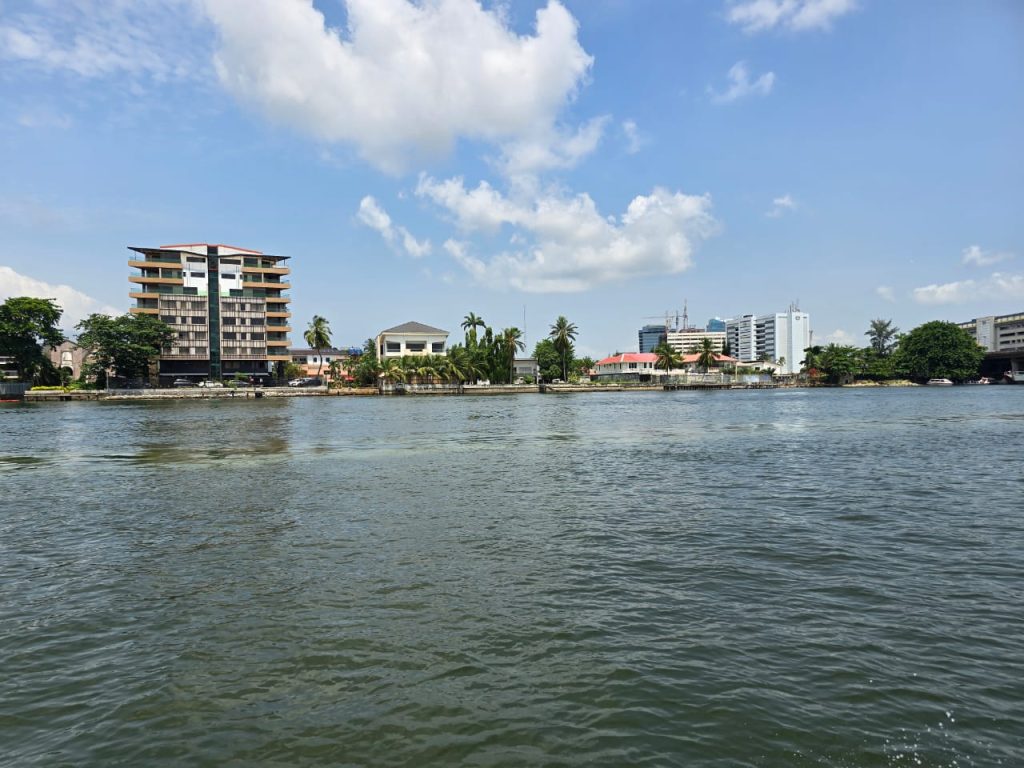
People come onto these waters to breathe. To unwind. To feel alive again after working hard and paying bills just to stay afloat. And there is money in that. Serious money.
There are few businesses as profitable as real estate and oil & gas,but you will be shocked at the wealth that can be created simply by building unforgettable experiences and telling powerful stories.
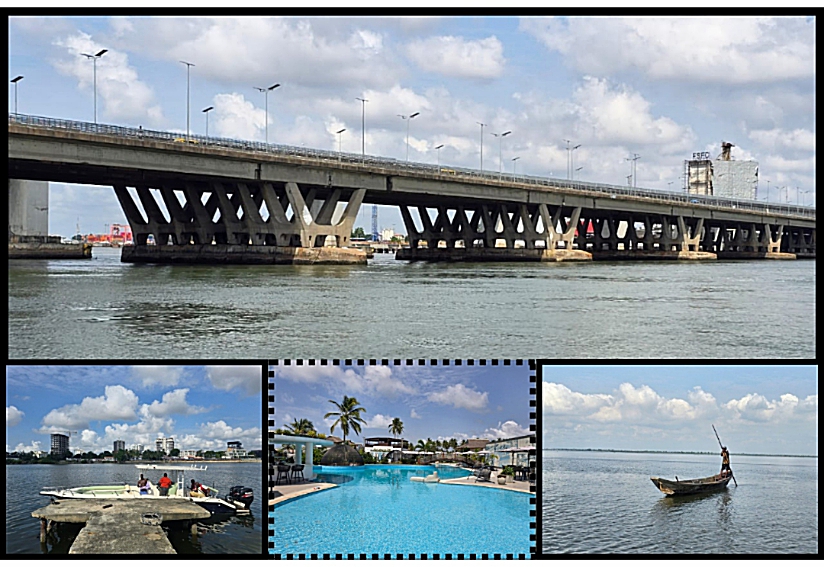
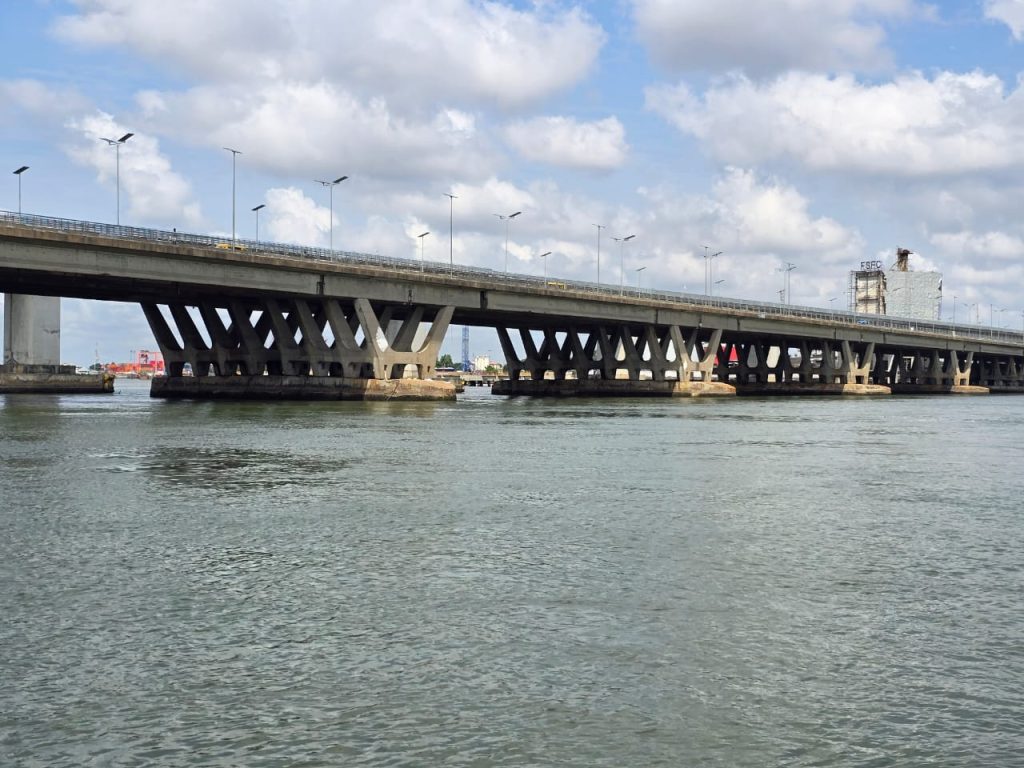
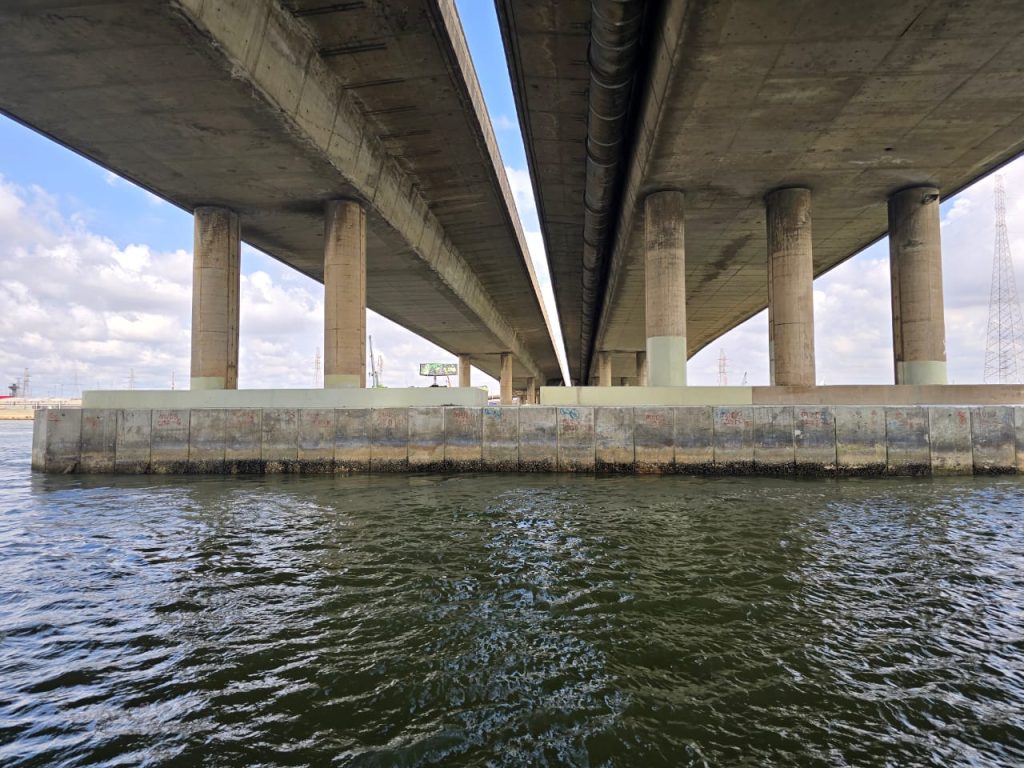
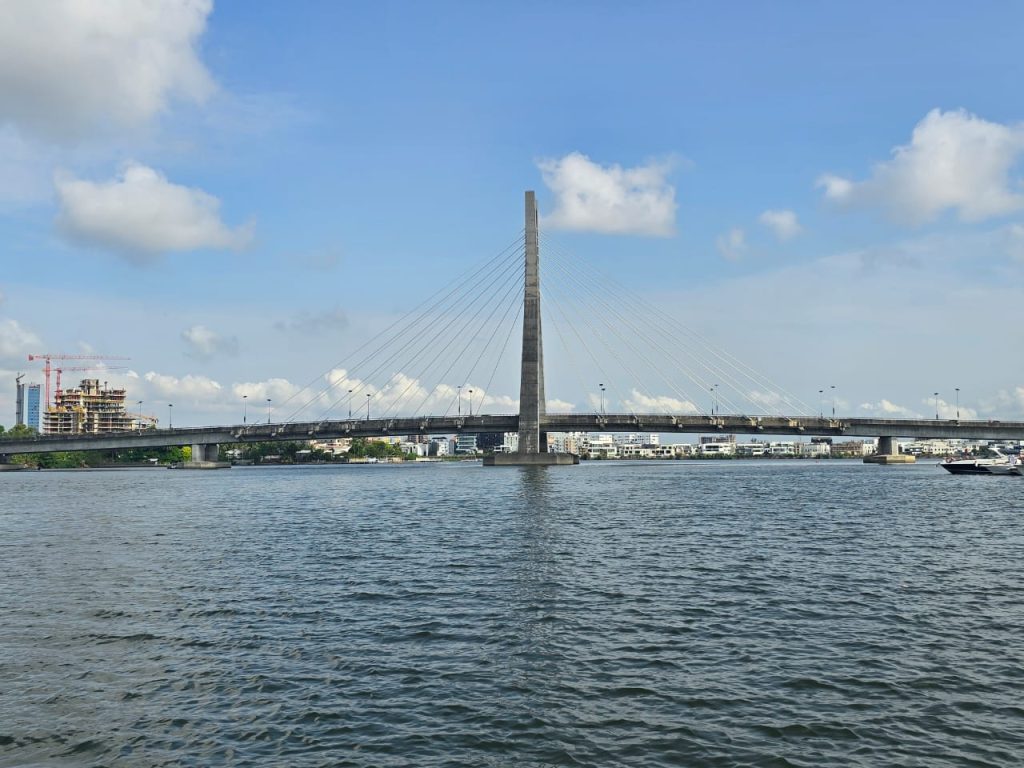
As we moved towards the Third Mainland Bridge, I saw that mighty structure from a new angle for the first time. And in that moment, I realised: this is a story.
Why should the whole world know about London Bridge, the Golden Gate Bridge, and the Brooklyn Bridge, while our own Third Mainland Bridge is not even known in the Republic of Benin, our next-door neighbour?
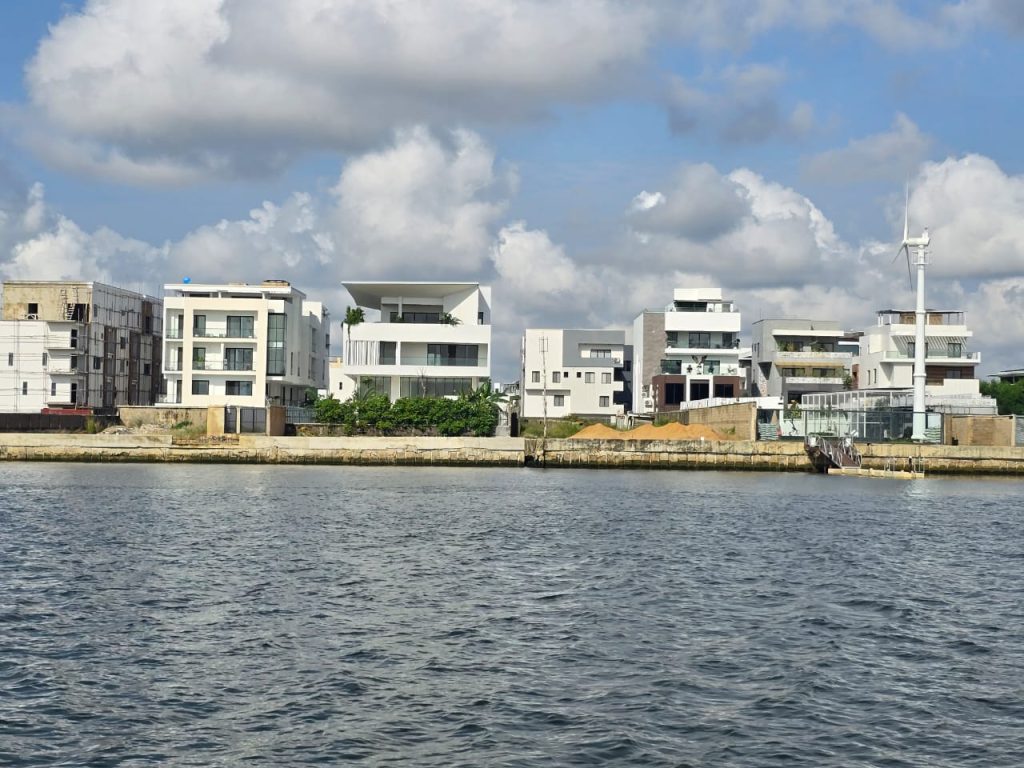
Our stories must be told.
Our landmarks must be celebrated.
Our greatness must be documented.
As we ventured under the bridge towards the University of Lagos, all I felt was admiration for the vision of the founders. The foresight to site such a prestigious institution close to the water, close to the very soul of Lagos, was not ordinary. It was genius. It was future-thinking.
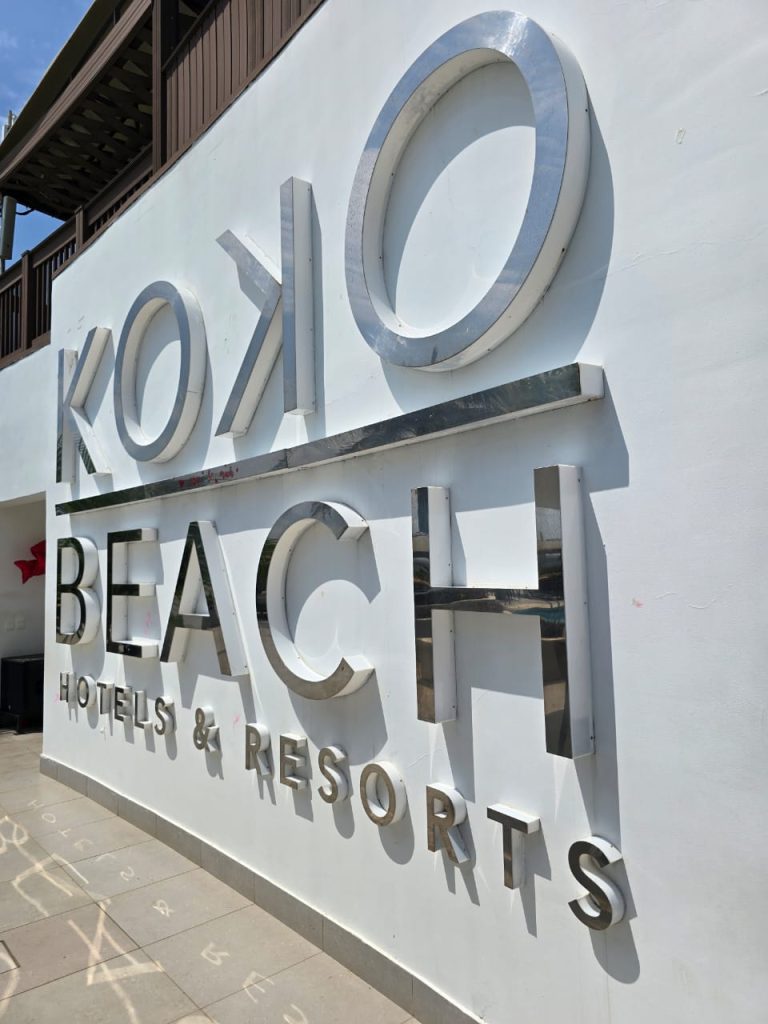
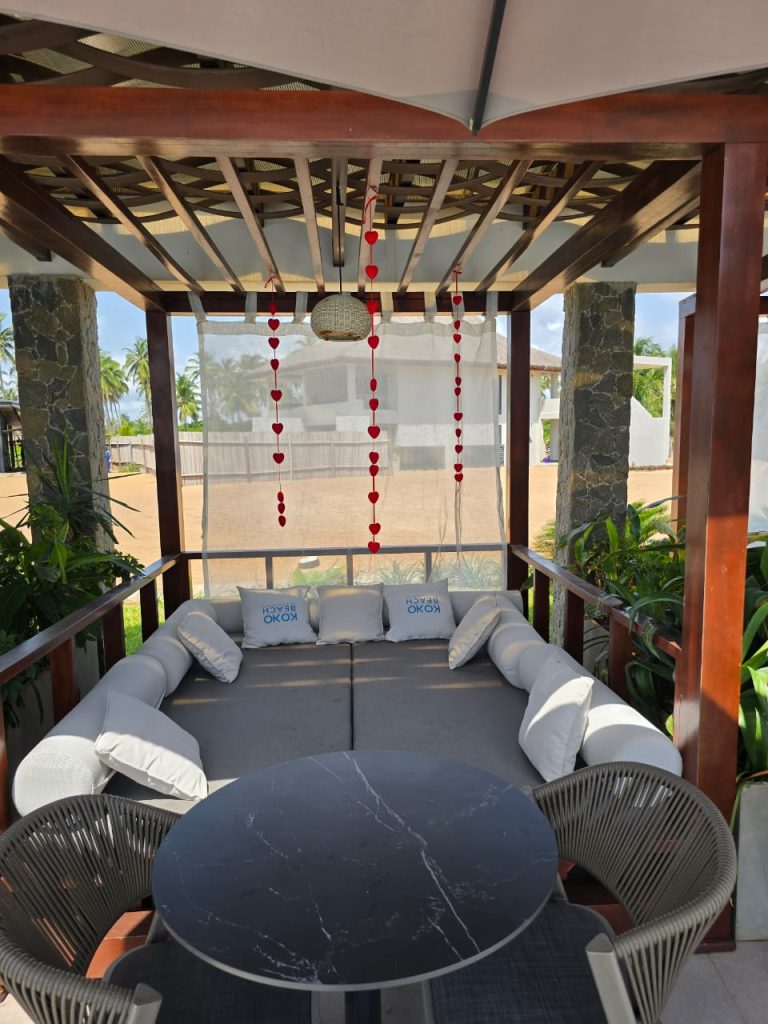
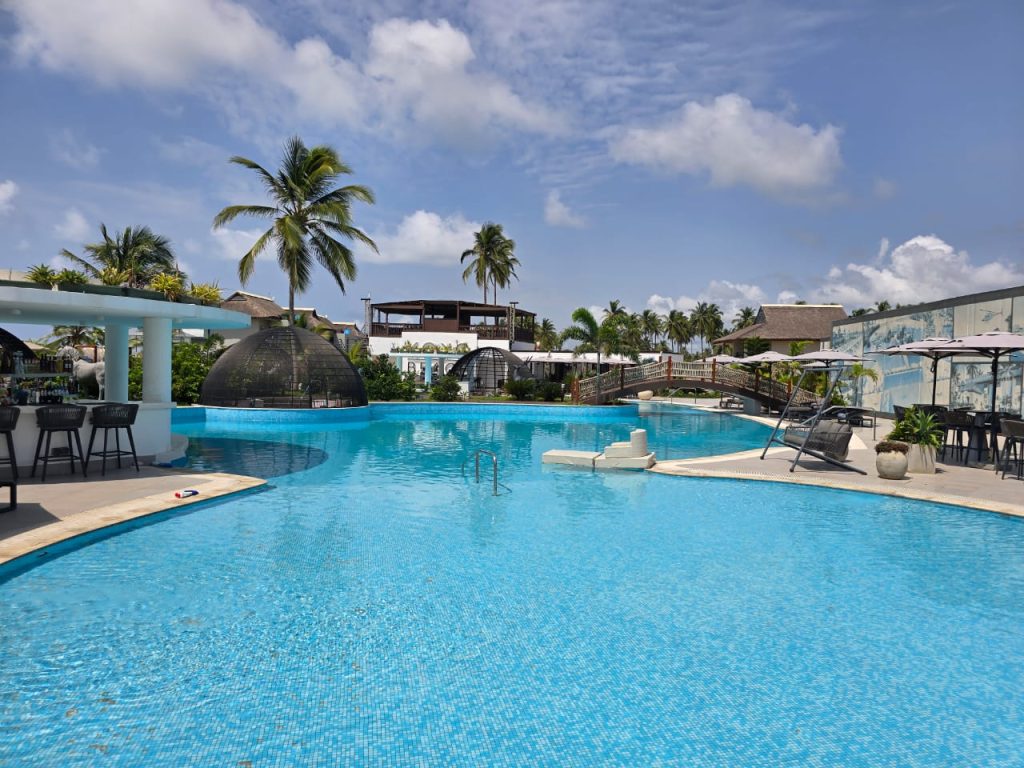
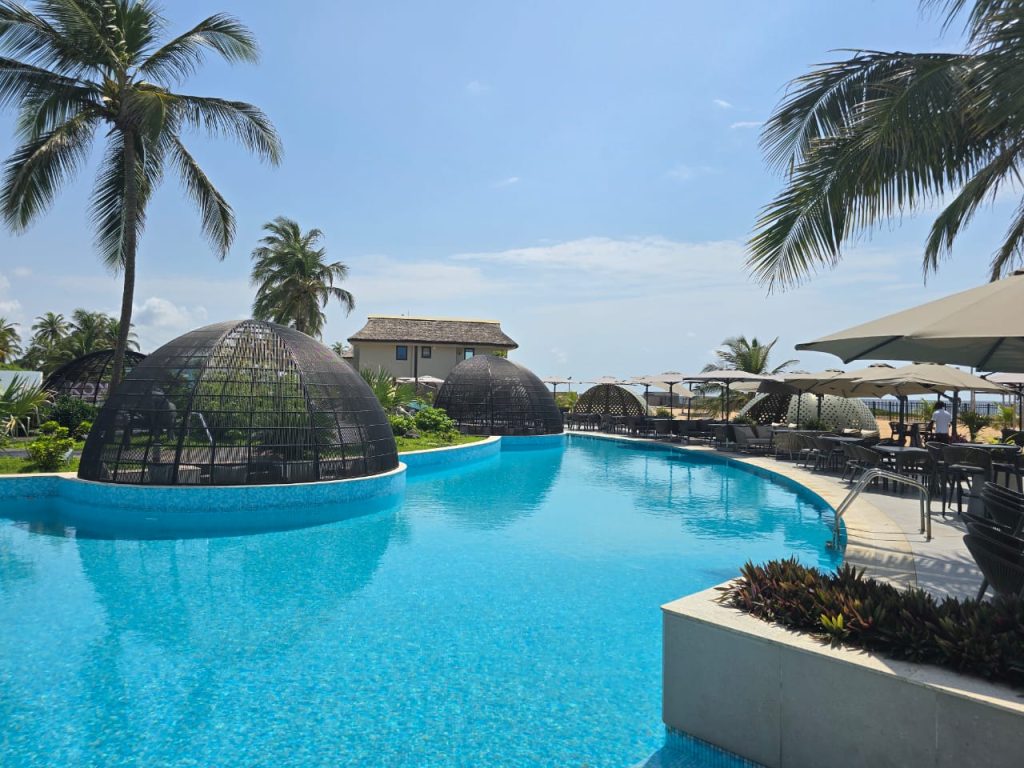
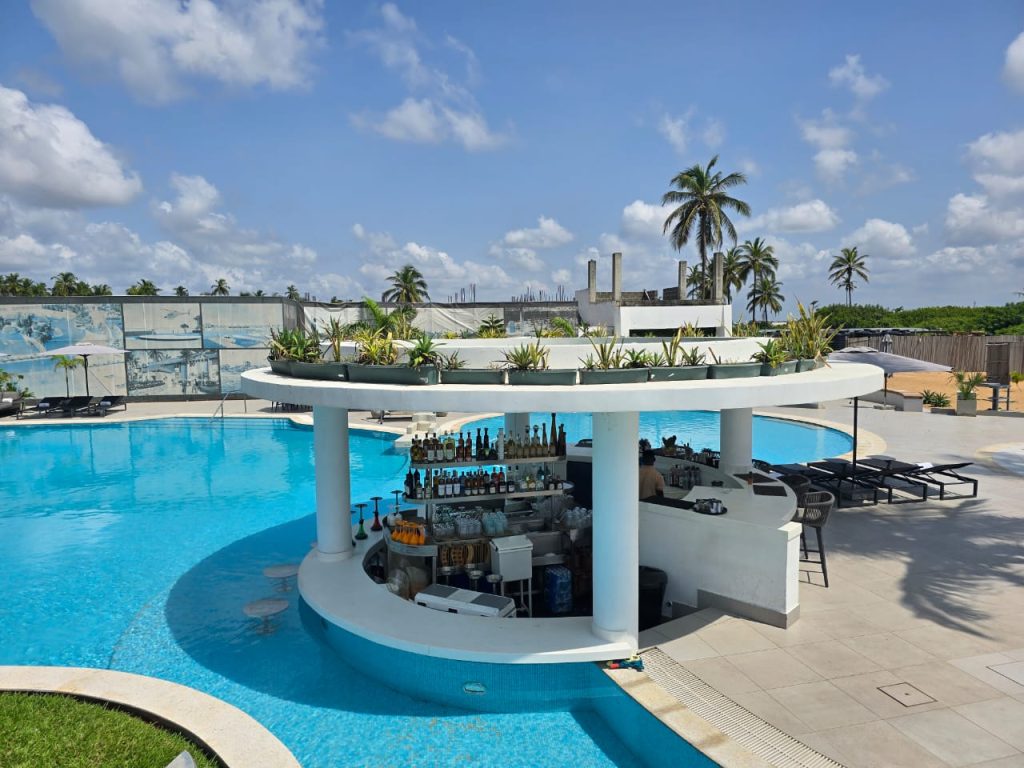
As we entered the Five Cowrie Creek, sailing towards the beach houses, I whispered to myself, walahi, there is no city like Lagos. One of my friends on board suggested we go to Koko Beach for brunch. And I smiled. Because truly, if you have not been to Koko Beach, you have not fully been to Lagos.
What we experienced there felt like heaven in Lagos. From the jetty to the resort, everything was first-class. The environment was pristine. The service was warm. The food was excellent. The drinks were perfect. The entire atmosphere was like stepping into another world, right inside Lagos.
I am going back soon to take proper photographs for my upcoming books. Koko Beach holds a high place in my heart. I have heard so much about the resort, but I had not been opportune to properly capture it with my lens. And that is the thing about Lagos, there are still so many places left to discover.
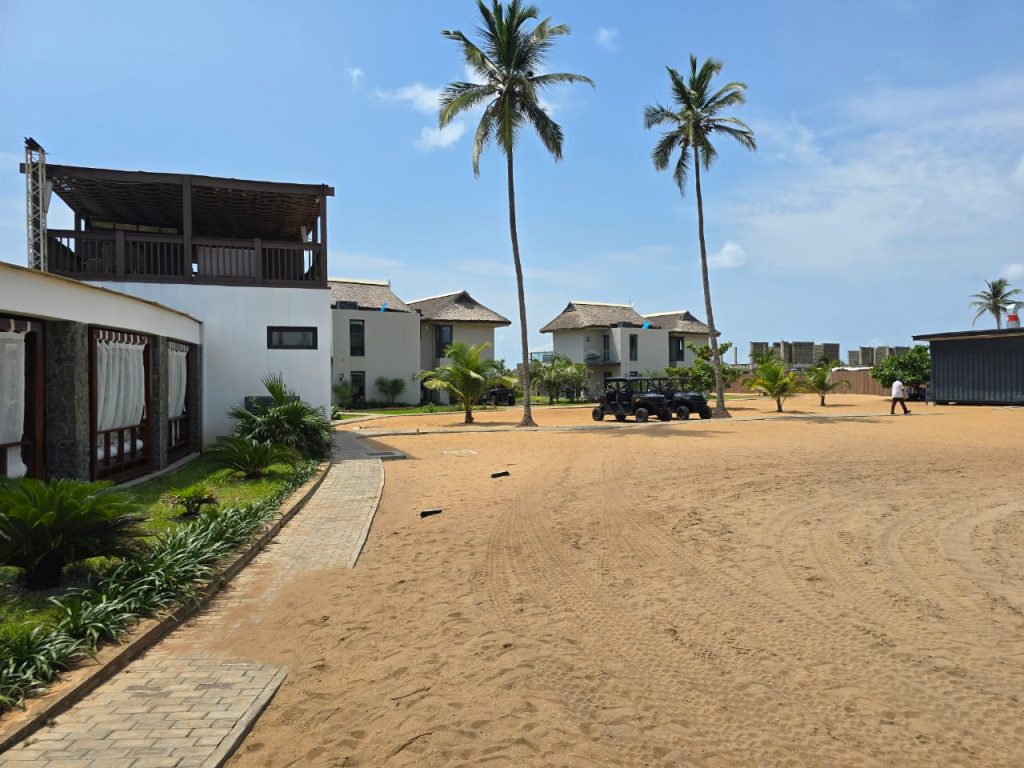
There are places in Lagos that the world must see. We need to promote ourselves better, so the world can understand the real Nigeria, beyond stereotypes, beyond headlines, beyond what they think they know.
As we ventured further across the waters, I could not help but give kudos to our military, especially the Nigerian Navy. Their presence along the coast was visible, reassuring, and confidence-building. Security matters, and on the water, it matters even more.
My friends said that by 2pm, people would start coming out to the beach houses. And truly, on our way back, I saw countless boats heading towards the same direction, boats filled with laughter, music, good energy, and soft life.
One of the boats was filled with Europeans and Asians. And that was when it hit me again. You only know what you know. Lagos is truly beautiful. But you will understand it better when you experience Lagos from the water.
This city is not just roads and traffic. Lagos is also breeze, salt air, sunshine, blue skies, and endless possibilities.
Lagos is a destination.
Lagos is an experience.
Lagos is a world of stories waiting to be told.
And the truth remains, 𝐎𝐰𝐨 𝐰𝐚 𝐥’𝐄𝐤𝐨. 𝐀𝐰𝐨𝐧 𝐤𝐚𝐧 𝐰𝐚 𝐨𝐤𝐚𝐲.
𝘿𝘼𝙔𝙊 𝘼𝘿𝙀𝘿𝘼𝙔𝙊 𝙞𝙨 𝙖 𝙉𝙞𝙜𝙚𝙧𝙞𝙖𝙣 𝘿𝙤𝙘𝙪𝙢𝙚𝙣𝙩𝙖𝙧𝙮 𝙋𝙝𝙤𝙩𝙤𝙜𝙧𝙖𝙥𝙝𝙚𝙧, 𝘼𝙧𝙩𝙞𝙨𝙩, 𝘾𝙪𝙡𝙩𝙪𝙧𝙖𝙡 𝘼𝙣𝙩𝙝𝙧𝙤𝙥𝙤𝙡𝙤𝙜𝙞𝙨𝙩, 𝙖𝙣𝙙 𝘼𝙪𝙩𝙝𝙤𝙧