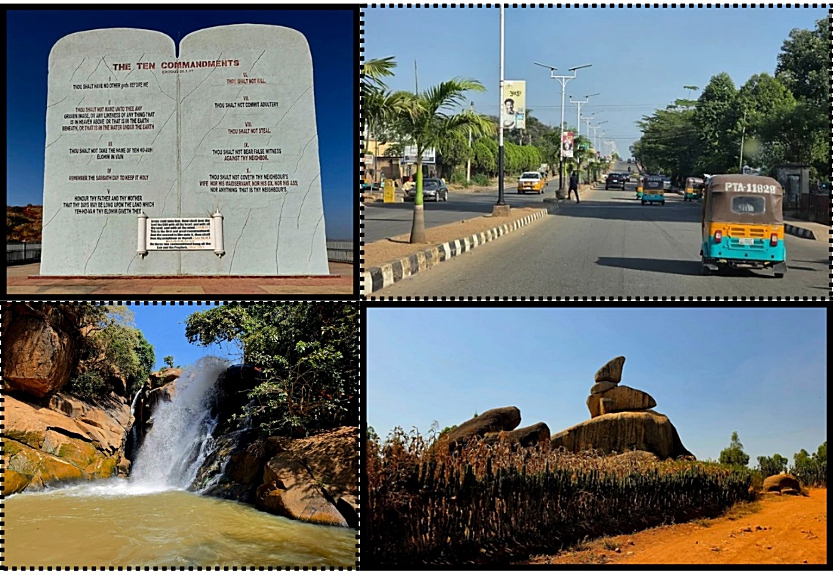
𝑻𝒘𝒆𝒏𝒕𝒚-𝒐𝒏𝒆 𝒚𝒆𝒂𝒓𝒔 𝒂𝒇𝒕𝒆𝒓 𝒎𝒚 𝒇𝒊𝒓𝒔𝒕 𝒗𝒊𝒔𝒊𝒕, 𝑰 𝒓𝒆𝒕𝒖𝒓𝒏𝒆𝒅 𝒕𝒐 𝑱𝒐𝒔 𝒕𝒐 𝒓𝒆𝒅𝒊𝒔𝒄𝒐𝒗𝒆𝒓 𝒊𝒕𝒔 𝒃𝒆𝒂𝒖𝒕𝒚, 𝒓𝒆𝒕𝒓𝒂𝒄𝒆 𝒎𝒚 𝒇𝒐𝒐𝒕𝒔𝒕𝒆𝒑𝒔 𝒂𝒏𝒅 𝒔𝒆𝒆 𝒉𝒐𝒘 𝒕𝒊𝒎𝒆 𝒉𝒂𝒅 𝒄𝒉𝒂𝒏𝒈𝒆𝒅 𝒕𝒉𝒆 𝒍𝒂𝒏𝒅𝒔𝒄𝒂𝒑𝒆𝒔 𝑰 𝒐𝒏𝒄𝒆 𝒑𝒉𝒐𝒕𝒐𝒈𝒓𝒂𝒑𝒉𝒆𝒅.
The first thing Jos did when I returned after 21 years was to remind me that I was no longer in Lagos.
It was the cold!
As I stepped out of the ValueJet aircraft that beautiful morning, I was surprised to discover that the air outside was colder than the temperature inside the plane. Coming from the heat and humidity of Lagos, I smiled and wished Plateau State could generously donate some of its wonderful weather to us.
I had returned to photograph places I first visited in 2005, to revisit old memories and see how much had changed in what I have always considered the most beautiful state in Nigeria.
My first journey to Jos was through Abuja, driving past Akwanga and negotiating the winding roads, with heavily laden trailers struggling up the hills towards Riyom.
This time, a pleasant one-hour direct flight from Lagos brought me into Jos. It was my first experience flying ValueJet, and I must commend the airline for its excellent service, right from the thoughtful attention of the cabin crew before take-off.
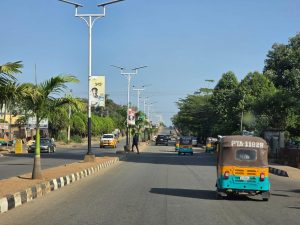
As we drove into the city, I noticed how much had changed. Jos looked remarkably neat and orderly, with new developments and portraits of the President, First Lady, Governor and his wife adorning parts of the city.
Yet, beneath these changes, I could still feel the Jos I remembered.
Unfortunately, fate had played the same trick on me twice. Just as in 2005, I had arrived during the dry season, when the lush green vegetation had surrendered to shades of brown. As a photographer, I could only imagine the magnificence of these landscapes during the rains.
My first major excursion took me back to Assop Falls.
Strangely, although I remembered the waterfall, I had almost forgotten its surroundings. Descending the 189 steps to the base was an adventure, especially knowing I would have to climb them again!
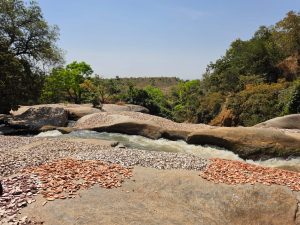
The water had receded considerably because of the season, but the marks on the rocks revealed how powerful the falls must be during the rains. I was told that the water sometimes rises high enough to cover many of the lower steps.
For the first time, I climbed to the upper section of the waterfall, where I found local people using the broad rock surfaces to dry pieces of sweet potato. It was a beautiful reminder that the same landscape that attracts tourists also supports the daily lives of its people.
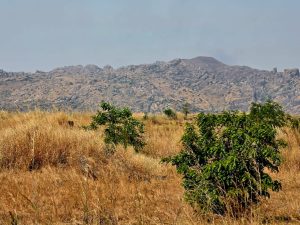
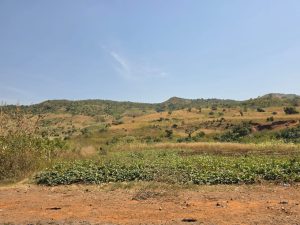
Then came Riyom Rock, one of Nigeria’s most extraordinary natural formations.
The massive boulders still stood proudly, but their surroundings had changed beyond recognition. Houses, roads and increasing human activity had replaced much of the open landscape I photographed 21 years ago.
When some young people gathered around my vehicle, I decided to give them an unexpected history lesson.
I showed them photographs I had taken at the same location in 2005.
They were astonished!
Many were either very young or had not even been born when I first visited. They looked at my pictures, looked around their surroundings and could hardly believe they were seeing the same place.
A photograph is not merely a picture of what exists today. It is evidence of what once existed and may never exist again.
I left Riyom with mixed feelings. Development is necessary, but we must never destroy the very beauty that makes a place worth visiting.
As I journeyed through Kuru, with its breathtaking hills, valleys and magnificent rock formations, my imagination began to wander.
Why can’t the Plateau State Government acquire and carefully preserve at least 1,000 hectares of suitable land to develop a world-class tourism resort?
Imagine hundreds of beautiful rooms, an international convention centre, recreational parks, walking trails, restaurants and family holiday facilities surrounded by these extraordinary landscapes.
Imagine Nigerians travelling from Lagos, Port Harcourt, Ibadan and other cities to enjoy the refreshing climate of Jos rather than spending fortunes travelling abroad.
We do not need to manufacture mountains, import rock formations or install giant air conditioners to create this wonderful weather.
God has already done the most difficult part.
All we need is vision, investment and a determination to preserve what nature has given us.
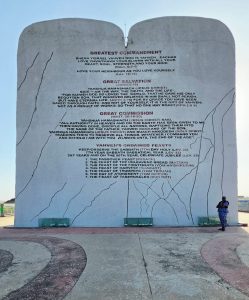
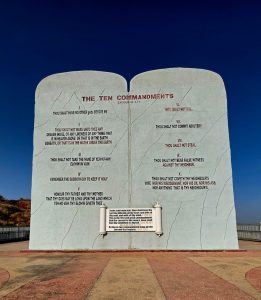
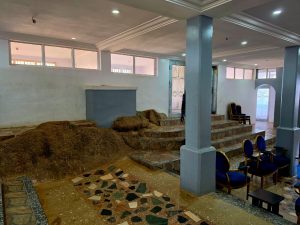
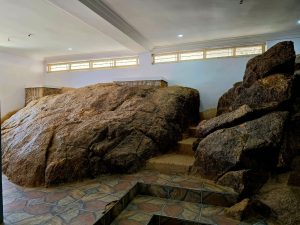
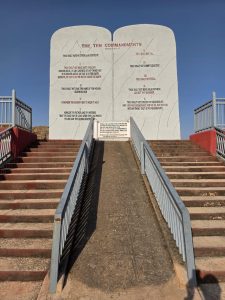
Another remarkable attraction was the imposing Ten Commandments Prayer Altar in Jos South, a massive biblical monument with chapels and prayer rooms beneath its main structure. I watched people come to pray, reflect and submit their prayer requests, and I thought about the enormous potential for religious tourism in Nigeria.
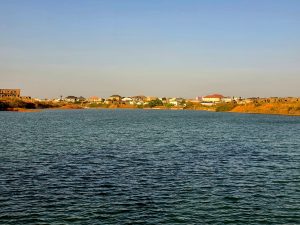
Not far away, the beautiful blue waters of Rayfield Resort offered another fascinating experience. Once part of the landscape transformed by tin-mining activities, this former mining pond has become a recreational destination where visitors can relax and enjoy the cool Plateau breeze.
Even the geography of Plateau State tells an extraordinary story. These highlands are an important watershed, giving rise to rivers and streams that contribute to major river systems across Nigeria.
The more I travelled, the more convinced I became that Plateau State possesses everything required to become one of Africa’s most remarkable holiday destinations.
But this visit also stirred something deeper within me.
One of my greatest dreams now is to travel around Nigeria all over again, retracing the journeys I made many years ago, revisiting the places I once photographed and seeing them through older, more experienced eyes.
I want to discover what has changed, what has survived and what we have unfortunately lost.
When I first travelled across Nigeria, I was a younger man driven by curiosity, adventure and the excitement of discovering my country through the lens.
Today, I would approach those same places with greater maturity, deeper understanding and a stronger appreciation of the importance of preserving our national heritage.
I want to place yesterday’s photographs beside today’s realities and allow both generations to see how our country has evolved.
The young people I encountered at Riyom have strengthened that dream.
They showed me that the photographs I took decades ago are no longer just beautiful images. They have become historical documents, preserving memories that many young Nigerians never had the opportunity to witness.
And perhaps that is one of the greatest rewards of my life’s work.
There is a Yoruba proverb that perfectly captures my feelings about tourism in Nigeria:
“Ohun tí a ń wá lọ sí Sókótó, ó wà nínú ṣòkòtò wa.”
What we travel all the way to Sokoto searching for may already be inside our own trousers.
We are surrounded by extraordinary beauty, yet we often travel thousands of kilometres abroad in search of experiences that exist within our own country.
Nigeria has mountains, waterfalls, rivers, ancient cities, forests, beautiful coastlines, fascinating cultures and some of the most remarkable natural landscapes anywhere in Africa.
What we need is the determination to discover, preserve, develop and promote them.
We must learn to buy Nigeria, eat Nigeria, drink Nigeria, explore Nigeria and, most importantly, sleep in Nigeria.
Tourism will not flourish on admiration alone. It requires investment, infrastructure, security, preservation and the willingness of Nigerians to experience their own country.
After 21 years, Jos reminded me why I fell in love with photographing Nigeria in the first place.
I saw a city that had changed, landscapes that had evolved and natural wonders that remain as captivating as ever.
I also saw a future waiting to be unlocked.
For me, Plateau State remains the most beautiful state in Nigeria. Its people, hills, valleys, rock formations, waterfalls and extraordinary climate make it a place unlike any other.
My only regret is that, for the second time, I came during the dry season.
Perhaps that is nature’s way of reminding me that I still have unfinished business here.
I must return when the rains have painted the hills and valleys green again.
And when I do, my camera will be ready.
Twenty-one years ago, I came to Jos to capture its beauty. This time, I returned to rediscover its soul.
And the more I see of Nigeria, the more I realise how much of our beautiful country is still waiting to be truly appreciated.
‘𝙙𝙖𝙮𝙤 𝘼𝙙𝙚𝙙𝙖𝙮𝙤
𝙅𝙤𝙨, 𝙋𝙡𝙖𝙩𝙚𝙖𝙪 𝙎𝙩𝙖𝙩𝙚, 𝙉𝙤𝙫𝙚𝙢𝙗𝙚𝙧 𝟮𝟬𝟮𝟲
********************************
‘𝘿𝘼𝙔𝙊 𝘼𝘿𝙀𝘿𝘼𝙔𝙊 𝙞𝙨 𝙖 𝙉𝙞𝙜𝙚𝙧𝙞𝙖𝙣 𝘿𝙤𝙘𝙪𝙢𝙚𝙣𝙩𝙖𝙧𝙮 𝙋𝙝𝙤𝙩𝙤𝙜𝙧𝙖𝙥𝙝𝙚𝙧, 𝘼𝙧𝙩𝙞𝙨𝙩, 𝘾𝙪𝙡𝙩𝙪𝙧𝙖𝙡 𝘼𝙣𝙩𝙝𝙧𝙤𝙥𝙤𝙡𝙤𝙜𝙞𝙨𝙩, 𝙑𝙞𝙨𝙪𝙖𝙡 𝙎𝙩𝙤𝙧𝙮𝙩𝙚𝙡𝙡𝙚𝙧 𝙖𝙣𝙙 𝘼𝙪𝙩𝙝𝙤𝙧